Mostly Competent

Hands-on takes on science, technology, politics, and the environment from people who've been close enough to get it wrong before.

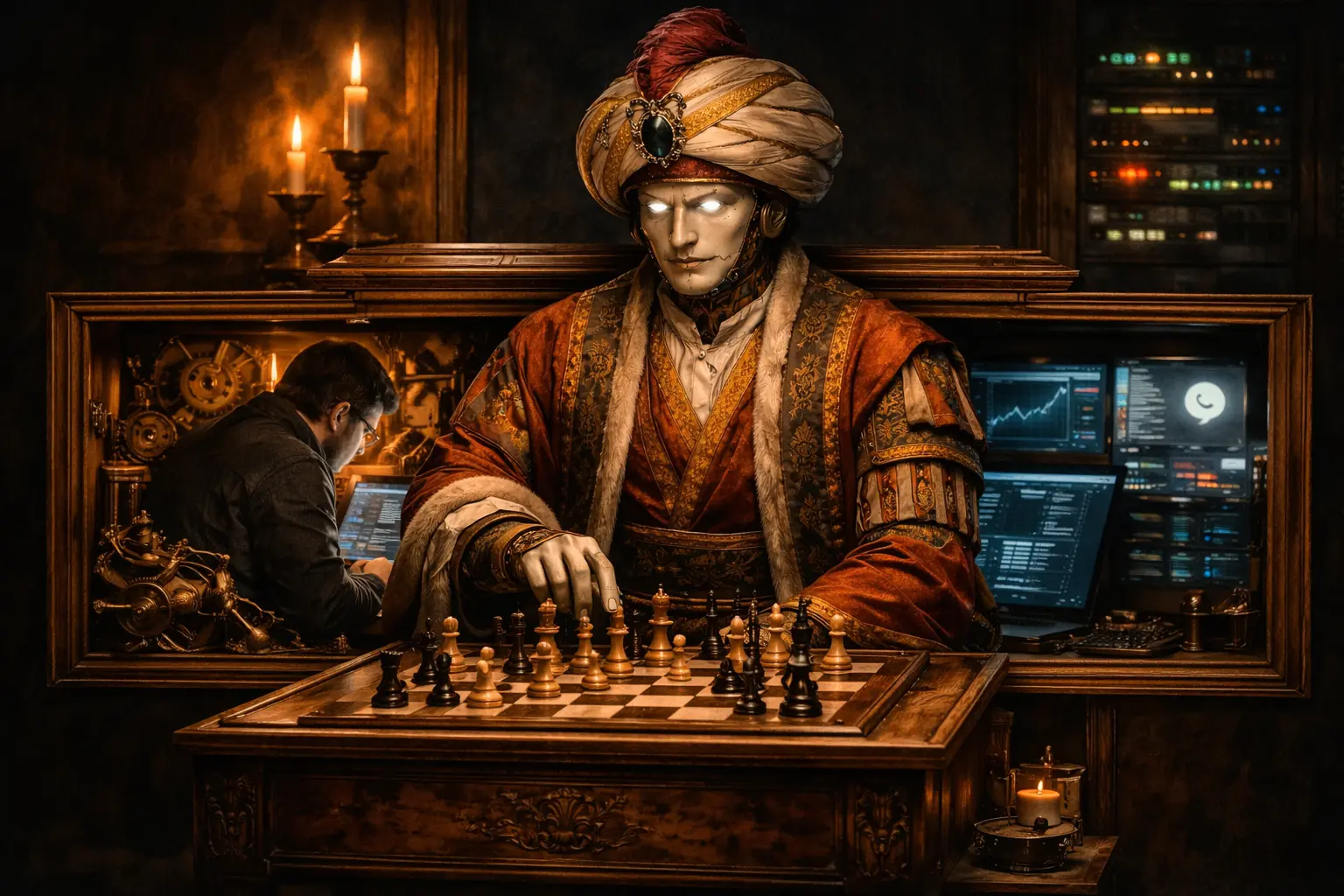
A Modern Mechanical Turk Is Revealed: Lessons from the Past about the Limits of Artificial Intelligence
business A Modern Mechanical Turk Is Revealed: Lessons from the Past about the Limits of Artificial Intelligence
This article draws a striking parallel between the 18th-century Mechanical Turk and the سقوط of Builder.ai, showing how hidden human labor was presented as artificial intelligence. By tracing the history of both deceptions, it explores AI washing, startup hype, inflated revenues, and the limits of automation. The piece offers a timely warning for investors, founders, and readers: when AI promises sound too magical, it is worth asking what, and who, is really behind them.

Mostly Competent · Mar 12, 2026
The Japanese Experiment That Became the Norm
business The Japanese Experiment That Became the Norm
Japan’s 1999 zero interest rate policy began as an emergency response to deflation and economic stagnation, but it reshaped global central banking. What was once seen as a uniquely Japanese experiment became the blueprint for quantitative easing, forward guidance, and ultra-low rates across the world after 2008. Japan’s long struggle shows both the power and the dangers of cheap money: debt, asset bubbles, inequality, and the difficulty of returning to normal interest rates.
Mostly Competent · Mar 5, 2026
The Judge Told Them to Paint — And in 53 Minutes, a 30-Year Lie Collapsed
culture The Judge Told Them to Paint — And in 53 Minutes, a 30-Year Lie Collapsed
Margaret Keane, the real artist behind the iconic big-eyed children paintings, spent decades hidden while her husband Walter Keane falsely claimed credit and fame. Their authorship battle ended dramatically in a Honolulu courtroom in 1986, when a judge ordered both to paint. Margaret completed a new work in 53 minutes, while Walter refused, exposing a 30-year art fraud and restoring her rightful place in art history.
Mostly Competent · Mar 1, 2026
Can Self-Criticism Be Taught?
opinion Can Self-Criticism Be Taught?
Can self-criticism be taught? This article explores how healthy self-criticism is a learnable skill rooted in self-awareness, reflective practice, constructive feedback, emotional intelligence, and psychological safety. Unlike self-punishment, constructive self-criticism supports personal growth, leadership development, and better decision-making. When balanced with self-compassion, it becomes a powerful tool for professional success, resilience, and continuous improvement in a fast-changing world.
Mostly Competent · Feb 25, 2026
Blood Test Can Assess Risk of Death in Elderly People
health Blood Test Can Assess Risk of Death in Elderly People
A new study published in Aging Cell shows that a simple blood test measuring piRNAs may predict two-year mortality risk in elderly adults more accurately than age, cholesterol, or physical activity. Researchers from Duke Health and the University of Minnesota found that six small RNA molecules in the blood could identify short-term survival risk with high accuracy. The findings highlight piRNAs as promising biomarkers for aging, longevity, and future preventive healthcare.
Mostly Competent · Feb 19, 2026
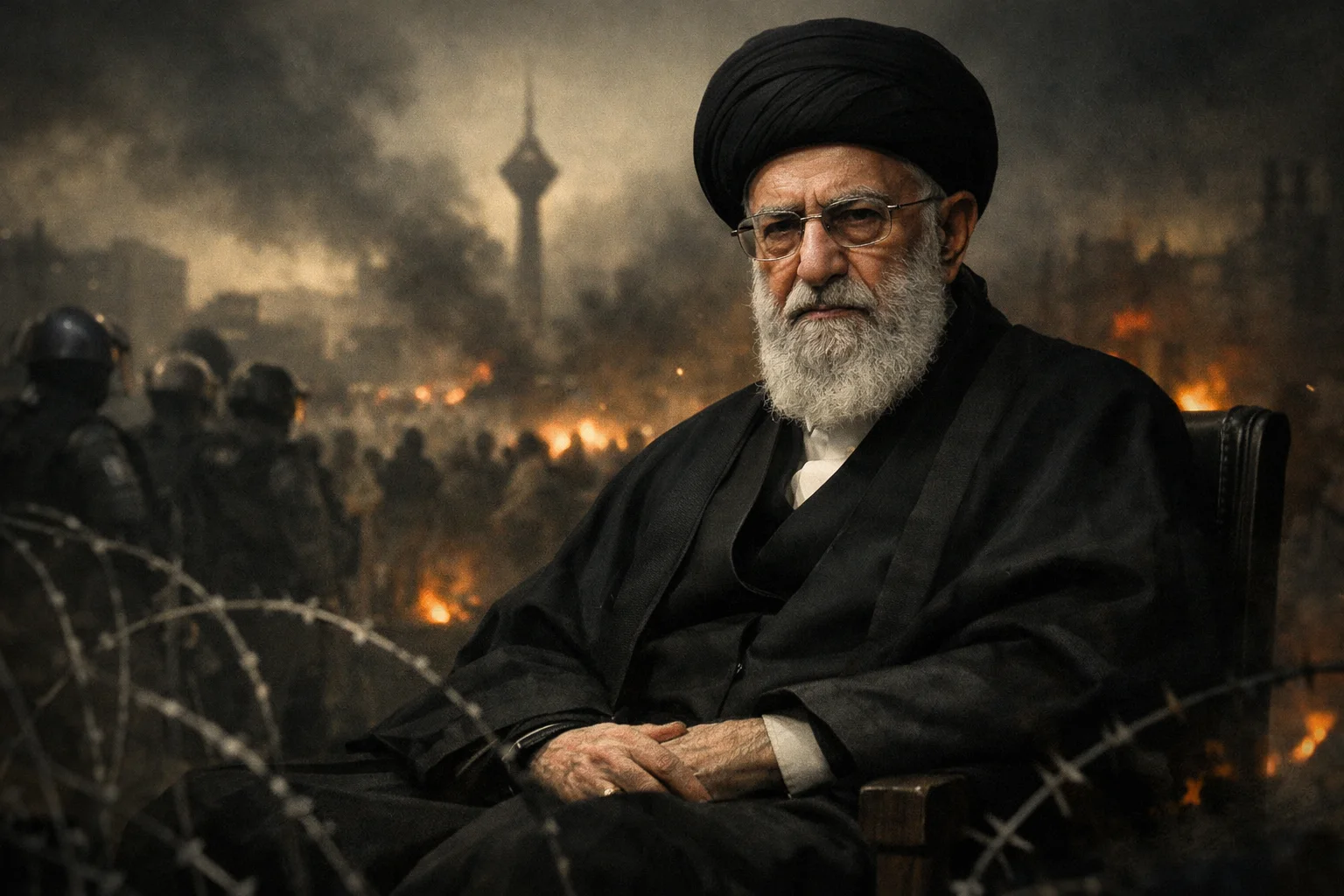
Ali Khamenei: The Ayatollah of "Resistance" and Repression, His Life and 37 Years of Absolute Power
analysis Ali Khamenei: The Ayatollah of "Resistance" and Repression, His Life and 37 Years of Absolute Power
Ali Khamenei ruled Iran for 37 years as Supreme Leader, shaping the Islamic Republic through repression, IRGC dominance, anti-Western policy, and violent crackdowns on dissent. From his rise after Ayatollah Khomeini to the final protests that shook Iran, his rule left a legacy of sanctions, isolation, economic decline, and mass bloodshed. This article examines Khamenei’s life, absolute power, regional strategy, and the crisis he left behind.
Mostly Competent · Feb 11, 2026
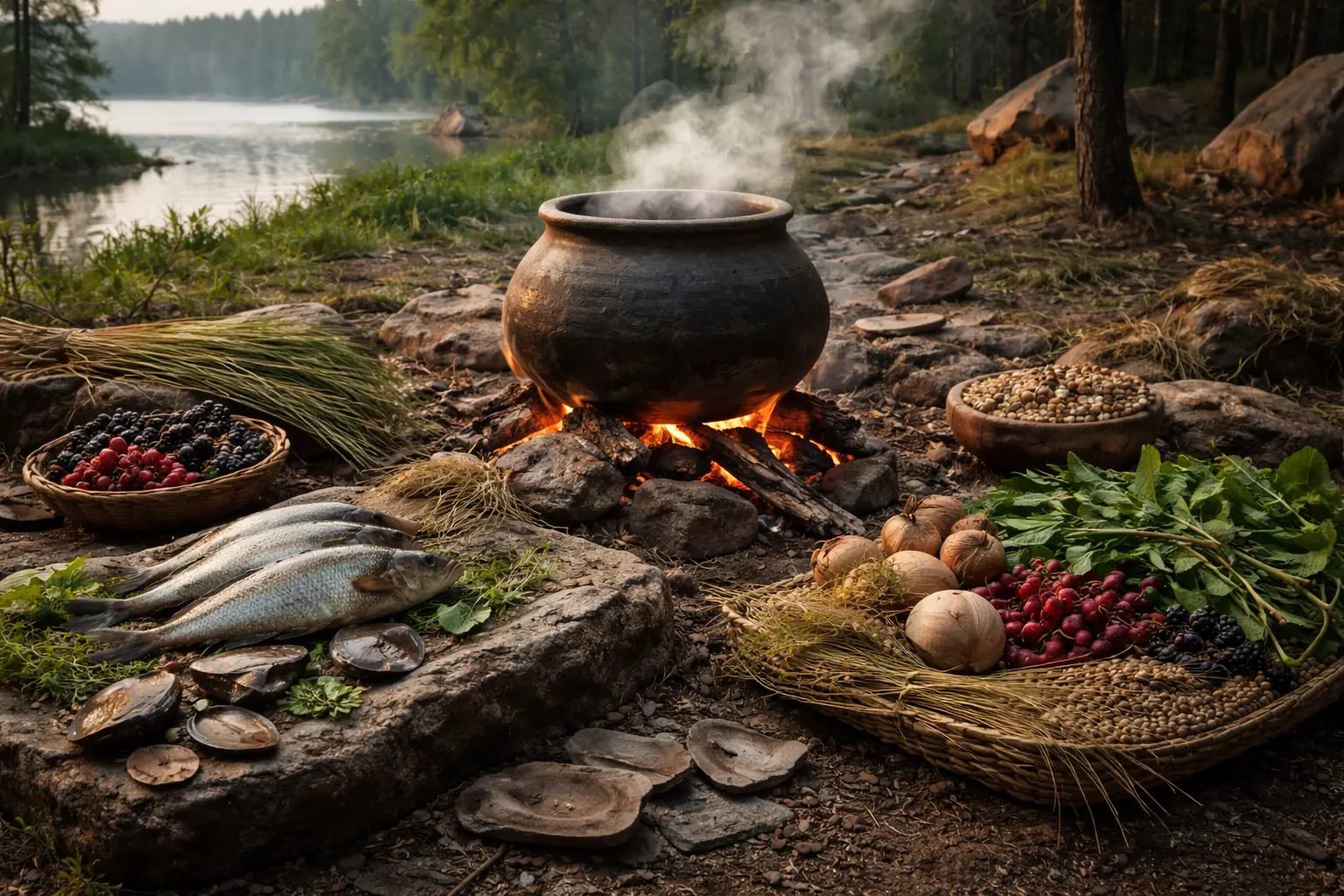
The Rich and Complex Cuisine of Homo Sapiens: What Did the Prehistoric Inhabitants of Europe Really Eat?
science The Rich and Complex Cuisine of Homo Sapiens: What Did the Prehistoric Inhabitants of Europe Really Eat?
A 2026 archaeological study overturns the myth of a meat-only prehistoric diet in Europe. Analysis of charred food crusts in ancient pottery shows Mesolithic and early Neolithic hunter-gatherers cooked complex recipes with wild grasses, legumes, berries, leafy greens, roots, fish, shellfish, and meat. The findings reveal regional cuisines, advanced plant processing, and a far richer prehistoric food culture than previously believed, reshaping how we understand ancient European diets and early cooking traditions.
Mostly Competent · Feb 2, 2026